
Resilience, Gratitude, and the Immigrant Spirit: Lessons from Drs. Dolores Rodriguez-Reimann and Joachim Reimann
Resilience, Gratitude, and the Immigrant Spirit: Lessons from Drs. Dolores Rodriguez-Reimann and Joachim Reimann
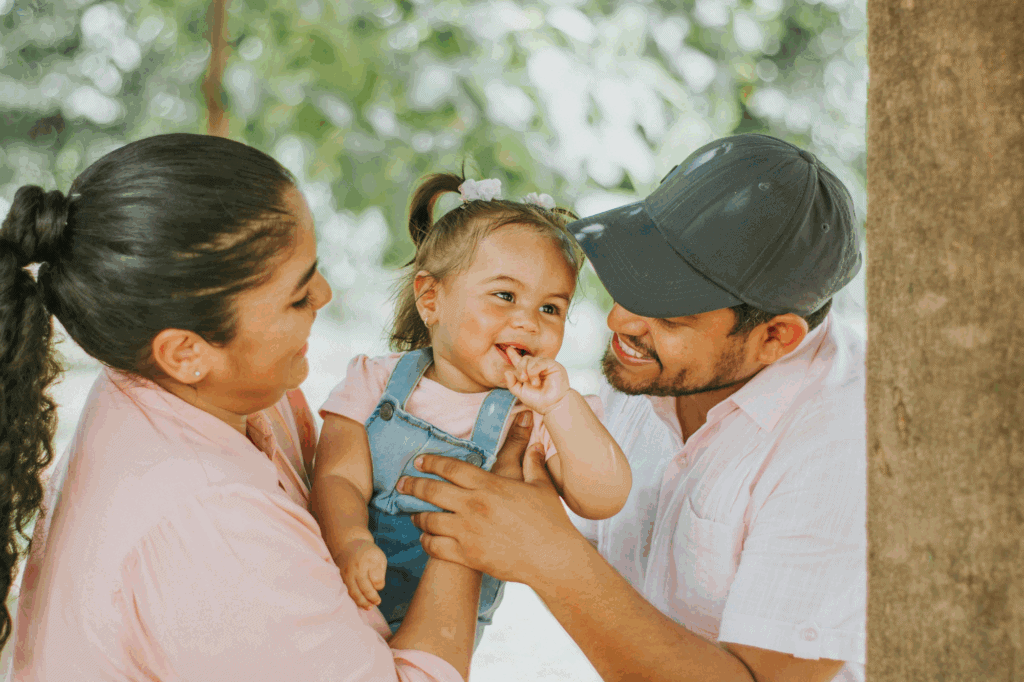
Even Dr. Joachim Reimann, an immigrant from Germany, is carrying around his Global Entry card in this current anti-immigrant climate.
“I look like a garden-variety white guy and I’m carrying my own Global Entry card around for the first time ever in the 70-plus years I’ve been in the United States,” he told me on in an interview on my Wealth Gap Warriors podcast. “That’s not a good thing and I’m not minimizing the fact that what’s happening politically is completely wrong and out of control, but we do need to find common ground.”
I had Dr. Joachim and Dr. Dolores Rodriguez-Reimann, his partner, co-author, and wife, on the podcast after meeting them at the Celebrando Latinas event in San Diego a few weeks ago. They gave me copies of their books on the immigrant experience that tie in their years of extensive research and treating immigrant patients with complex trauma. I thought their perspectives and wisdom would be especially helpful to myself and to my community.
They talk and write about the resilience and common themes among immigrants from all over the world. When I think about resilience, I think about my own parents, my community, and so many immigrant families who’ve had to push forward despite fear, trauma, and uncertainty.
Dolores’s and Joachim’s work centers on helping immigrant communities heal, integrate, and thrive. They offer powerful lessons for all of us in these uncertain times.
From Personal Journeys to Life’s Work
Joachim came to the U.S. from Germany as a child, knowing only a handful of English words. He went from sitting in the back of classrooms with Dr. Seuss books to earning advanced degrees in psychology and dedicating his career to researching and serving immigrant communities.
Dolores’s journey is just as inspiring. Born in Mexico, she came to the U.S. at 15, started college on her own at 16 (which she does not recommend), and defied cultural expectations to pursue higher education. Along the way, she built a career that spans counseling, academic research, public health work, and private practice.
Together, the Reimanns have worked in universities, community organizations, and clinical practice, always with a focus on immigrant families. After Dolores got her first master’s degree in counseling psychology, they did the unthinkable.
“We left Texas mid-career to come out to California and basically start over against the best wishes of family,” Dolores explained. But the move ended up being worth it. The paid got their doctorates and then began conducting public health research where they worked with survivors of torture.
They went on to start their organization, the Group for Immigrant Resettlement and Assessment, which combines their decades of experience into tools and research that help immigrants succeed in a new country.
Resilience in Times of Crisis
We talked about resilience—what it means, and what it takes to build it. Both Dolores and Joachim reminded me that resilience doesn’t come without struggle. It comes through it. Immigrants know this deeply. They leave behind homes, cultures, and sometimes trauma, only to face new challenges here: discrimination, language barriers, legal uncertainty, and mistrust of systems.
But immigrants also carry powerful strengths. The Reimanns highlighted something called the “Latino paradox,” in which despite adversity, first-generation Latino immigrants often have equal or better health outcomes than native-born populations. Why? One reason is collectivism—a cultural value that prioritizes family and community over the individual. This sense of connection creates strength, security, and hope.
Resilience, then, isn’t just about “toughing it out.” It’s about leaning into cultural strengths, reframing trauma, and building systems of support.
Trauma, Trust, and Healing
One part of our conversation struck me deeply. Dolores explained how trauma can block success in ways we might not even recognize.
She shared an example of a client who believed he “just couldn’t learn English.” He was up for a promotion at a big box store, but was being passed up because he couldn’t speak English. He’ been to ESL classes and attempted other English-language-learning programs, but it wasn’t working for him.
“When he tried to go to the English classes, he was distracted because of where they sat him in the classroom,” Dolores explained. “He was hypervigilant and would have intrusive thoughts so there were some trauma experiences that were getting in his way.”
The real barrier wasn’t ability—it was trauma, manifesting as hypervigilance and intrusive thoughts, making it impossible to focus in class. Once he worked through the trauma, he gained the confidence to pursue a better job.
This hit home for me, because so many immigrant families I’ve worked with struggle not because they lack ability, but because invisible barriers weigh them down. Financial trauma, distrust of institutions, fear of deportation—these aren’t just challenges, they’re wounds that need healing. The good news? Trauma is treatable, and with the right support, people can move forward.
Division, Scarcity, and Community
We also discussed something painful: how politics today are dividing Latino families. For the first time, Dolores and Joachim said, they are seeing families splinter over party lines and immigration debates. But they challenged us not to accept a scarcity mindset—the false belief that if one group gains, another must lose.
Instead, they urge us to focus on unity, gratitude, and shared solutions. As Joachim put it, if we can find common ground—not in politics, but in values, goals, and love for our families—we can strengthen our community against outside attempts to divide us.
Advice for the Next Generation
I asked the Reimanns what advice they’d give to young immigrants and Latinos pursuing education and careers. Dolores’s words were powerful: “Don’t be afraid to dream big. Stay away from naysayers,” she said. “Don’t covet what somebody else has—learn from them.”
Joachim added his perspective: wealth isn’t just financial. It’s doing meaningful work, making a difference, and leaving an impact. T
he Reimanns have chosen work that may not make them multimillionaires, but has given them a kind of wealth no one can take away: purpose.
Why This Matters
As I reflect on their stories, I see how their work ties into the broader conversation about building wealth in immigrant communities. Wealth is not just money. It’s health, resilience, connection, and knowledge. Financial wealth gives us access—to therapy, to good healthcare, to opportunities—but emotional and cultural wealth sustain us through the darkest times.
The Reimanns’ books—Immigrant Psychology: Heart, Mind, and Soul, Immigrant Concepts: Life Paths to Integration, and Immigrant Health: Enhancing Integration and Global Wellness—are guides not just for immigrants, but for anyone working to build stronger, more resilient communities.
As Dolores said, “Trauma is treatable. Resilience is possible. And gratitude is essential.”
That’s a lesson for all of us—immigrants or not.
